When people think of spiritual India, they think of Rishikesh. Varanasi. Dharamshala. Maybe a quiet ashram in Kerala.
Almost nobody thinks of Dibrugarh.
And that is a shame. Because Northeast India has a spiritual richness that rivals any of those places — and in some ways surpasses them. I have lived here my entire life, and I am still discovering layers of depth in this land and its traditions.
The spiritual roots of Assam
Assam’s spiritual heritage is ancient. The Kamakhya Temple in Guwahati is one of the 51 Shakti Peethas — one of the most important sacred sites in Hindu tradition. Seekers have been drawn there for centuries.
But the spiritual life of Assam goes far beyond temples. Sankardeva, the 15th-century reformer, created a culture of devotion, community singing — nam-kirtan — and spiritual inquiry that still runs through Assamese life like an underground river. You hear it in the borgeet sung in Namghars. You feel it in the way families gather and share. You see it in the instinctive respect for nature that most Assamese people carry without even thinking about it.
This heritage is not locked in scriptures. It lives in daily rhythms — in hospitality, in the connection to the Brahmaputra, in the quiet understanding that life is more than material accumulation.
Dibrugarh: an emerging spiritual centre
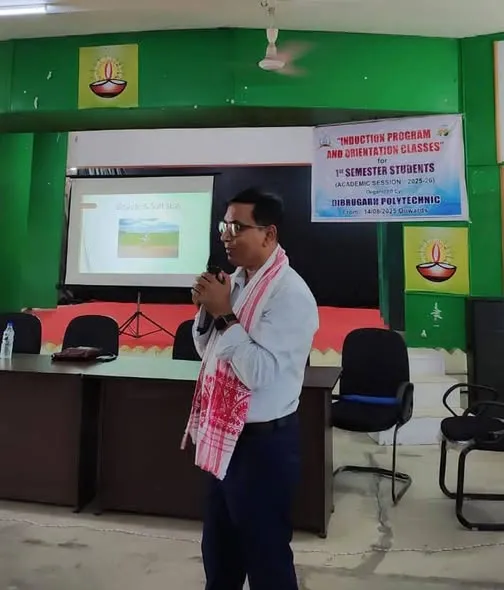
Dibrugarh is known as the tea city. But something else is growing here. Dibrugarh University has started integrating soft skills and personal development into its academic culture — recognising that technical education alone does not produce complete human beings.
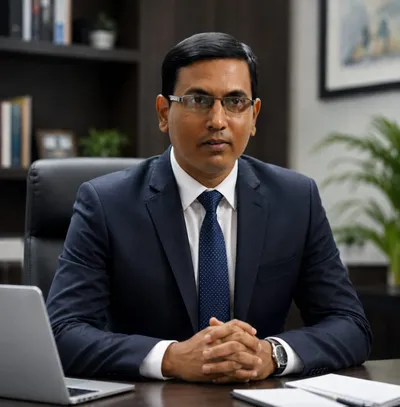
As Coordinator of the Soft Skill Development Cell at Dibrugarh University, I have seen this shift firsthand. Students are hungry for something deeper than exam preparation. They want to understand themselves. They want tools for inner growth. They want meaning.
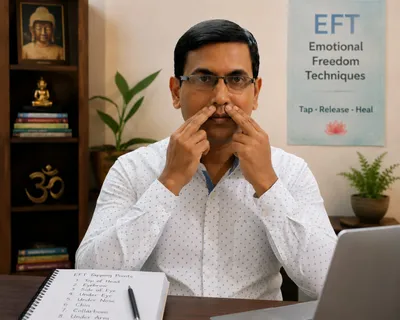
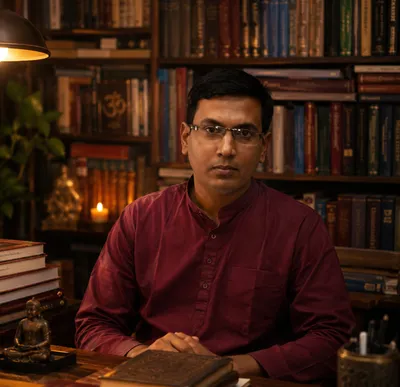
Through Hem’s Academy, I integrate meditation, NLP, Advaita Vedanta, and practical life skills into a coherent path. Not as separate subjects — as one unified approach to becoming a more awake, more capable, more compassionate human being.
Why this region is special for practice
The Natural Environment
The Brahmaputra valley. The hills of Meghalaya. The forests of Arunachal Pradesh. Northeast India offers some of the quietest, most untouched corners in Asia.
Nature settles the mind in a way that no technique can replicate. When you sit by the Brahmaputra at dawn, meditation happens without effort. The forests of Arunachal have a silence that urban seekers pay thousands to find in retreat centres. It is here, free, every morning.
Cultural Balance
Northeast Indian cultures generally maintain a healthy relationship with spirituality. It is not over-commercialised like some places in India. It is not dismissed as superstition like in some urban settings. There is a balanced, grounded attitude toward the inner life that creates a genuinely supportive environment for practice.
Genuine Community
The spiritual community here is smaller than in Rishikesh or Dharamshala. But it is real. People who practise and teach in this region tend to be deeply committed rather than casually curious. There is less posturing and more sincerity.
Accessibility
Unlike Himalayan spiritual centres that require significant travel, Northeast India is accessible. Dibrugarh is well connected by air, rail, and road. You do not need to take a week off work or trek through mountains to find guidance. It is right here.
A new wave of teaching
What I am trying to do at Hem’s Academy represents something I believe in deeply: spiritual teaching that is rooted in tradition, informed by modern psychology, and accessible to everyday people.
Not monks in caves. Not Instagram gurus. Just regular people — students, professionals, parents — learning to live with more awareness, more compassion, more freedom.
You are already here
If you are in Northeast India, you have advantages that seekers in many other regions would envy. The spiritual traditions of this land are alive. The natural environment supports contemplation. The community is growing. The teachers are here.
The question is not whether the resources exist. They do. The question is whether you will use them.
For practical starting points, read Beginner’s Guide to Meditation and The Journey of Self-Realisation.