Here is something I wish I had known in my twenties: you cannot think your way out of anxiety. But you can breathe your way out.
Your breath is the one automatic function in your body that you can consciously control. This makes it a direct line to your nervous system. When anxiety takes hold, your breathing becomes shallow and rapid, which signals danger to your brain, which makes you more anxious. A vicious cycle.
Controlled breathing breaks that cycle. Not with thoughts. Not with willpower. With physiology.
Technique 1: Extended Exhale — My First Line of Defence
This is the simplest, fastest anxiety relief tool I know. I teach it to every student at Hem’s Academy before anything else.
- Inhale through your nose for 4 counts
- Exhale through your mouth for 8 counts
- Repeat 5-10 times
The long exhale directly activates your parasympathetic nervous system — your body’s built-in calm switch. You can feel the shift in under a minute.
I used this before my first major seminar in Guwahati. My heart was pounding, my palms were sweating. Five extended exhales later, I walked on stage. Not calm, exactly. But functional.
Technique 2: Box Breathing
This one comes from Navy SEALs and emergency responders. People who need to perform under extreme pressure trust it. That should tell you something.
- Inhale for 4 counts
- Hold for 4 counts
- Exhale for 4 counts
- Hold for 4 counts
- Repeat 4-8 rounds
The structure does two things: it gives your anxious mind something to focus on besides the worry, and the rhythm physically calms your nervous system.
Technique 3: 4-7-8 Breathing
Developed by Dr. Andrew Weil. I recommend this one specifically for anxiety that keeps you awake at night.
- Inhale through your nose for 4 counts
- Hold for 7 counts
- Exhale completely through your mouth for 8 counts
- Repeat 3-4 cycles
The long hold and extended exhale shift your body into deep relaxation. Many of my students use this as their go-to sleep tool.
Technique 4: Diaphragmatic Breathing
Most anxious people breathe from their chest. This shallow chest breathing actually signals danger to your brain. Belly breathing — diaphragmatic breathing — signals safety.
- Place one hand on your chest, one on your belly
- Breathe so only the belly hand moves
- The chest hand stays relatively still
- Practice 5 minutes daily to retrain your default pattern
This is not a quick fix. It is a retraining. Over weeks, your default breathing shifts from chest to belly, and your baseline anxiety drops.
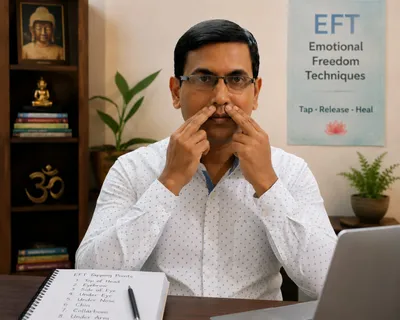
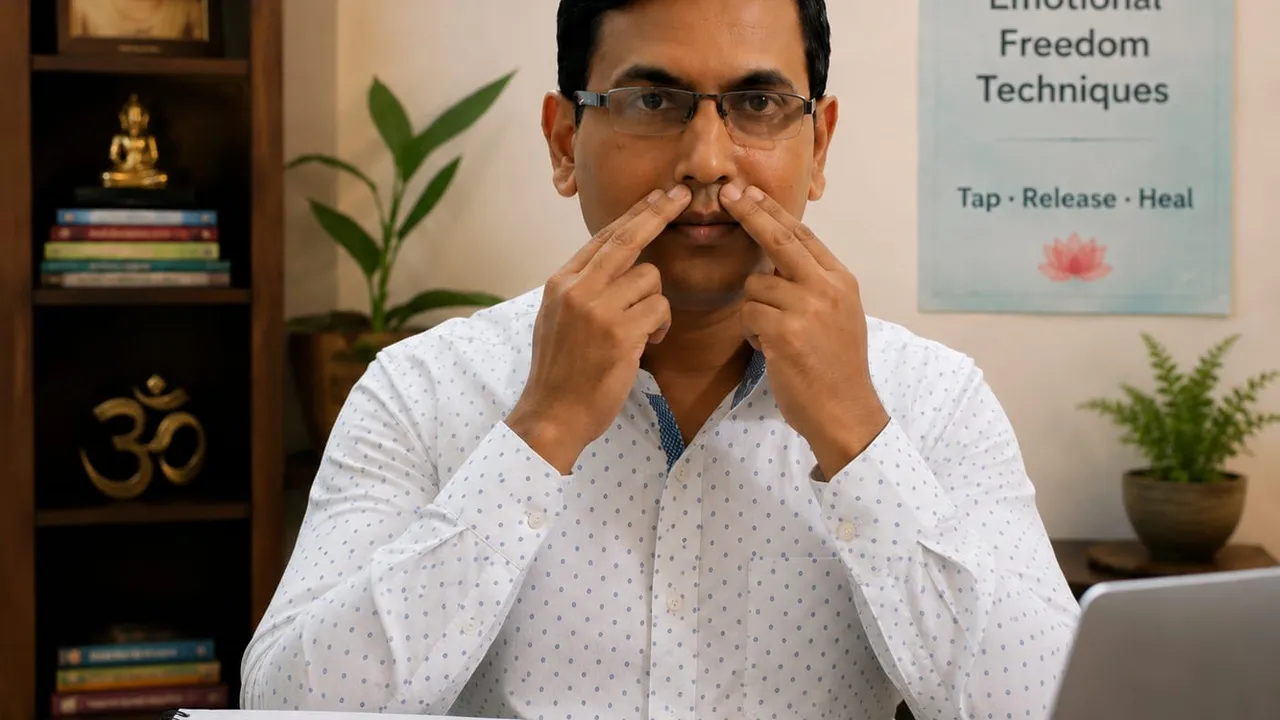
Technique 5: Nadi Shodhana (Alternate Nostril Breathing)
This pranayama technique has been used in India for thousands of years. It balances the nervous system in a way that feels almost too simple to work. But it does.
- Close your right nostril with your thumb
- Inhale through the left nostril for 4 counts
- Close the left nostril with your ring finger
- Exhale through the right nostril for 4 counts
- Inhale through the right nostril
- Close and exhale through the left
- Continue for 5 minutes
I practise this every morning before meditation. It settles my mind in a way that nothing else does.
When to Use What
- Acute anxiety right now: Extended exhale. Thirty seconds to one minute.
- Before a stressful event: Box breathing. Two to three minutes.
- Can not sleep: 4-7-8 breathing. Three to four cycles.
- Daily baseline practice: Diaphragmatic breathing. Five to ten minutes.
- Nervous system reset: Nadi Shodhana. Five minutes.
Do Not Wait for Anxiety
Here is the mistake most people make: they only practise breathing when anxiety hits. That is like only going to the gym when you need to lift something heavy.
Daily breathing practice — even five minutes each morning — builds a baseline of nervous system calm. When anxiety does arrive, you have reserves to draw from. Your system is already calmer. The anxiety has less to grab onto.
I recommend five minutes of conscious breathing every morning, before meditation if you have a practice.
Try This Now
Extended exhale. Inhale for 4. Exhale for 8. Five times. Right now, wherever you are reading this.
Notice what happens. That shift you feel — that is your nervous system responding to your direction. You have more control over anxiety than you have ever been taught to believe.
For deeper work on emotional regulation, explore Meditation for Stress Relief and Emotional Freedom Through EFT.